
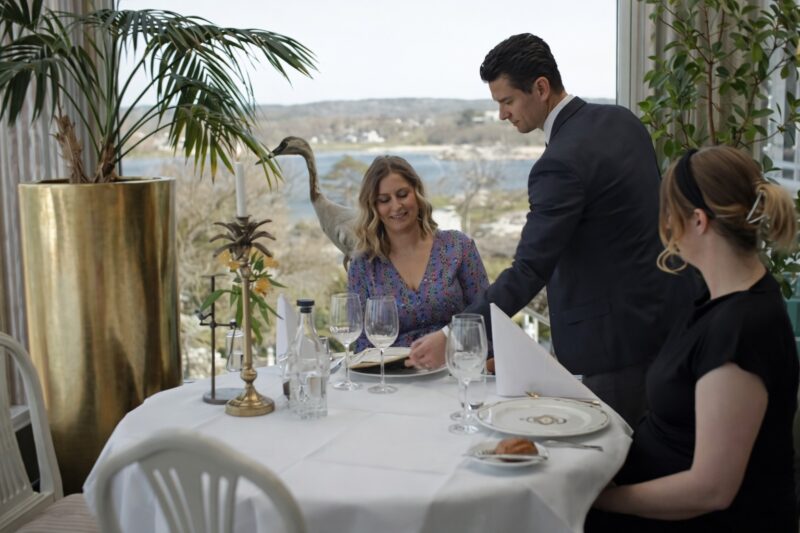

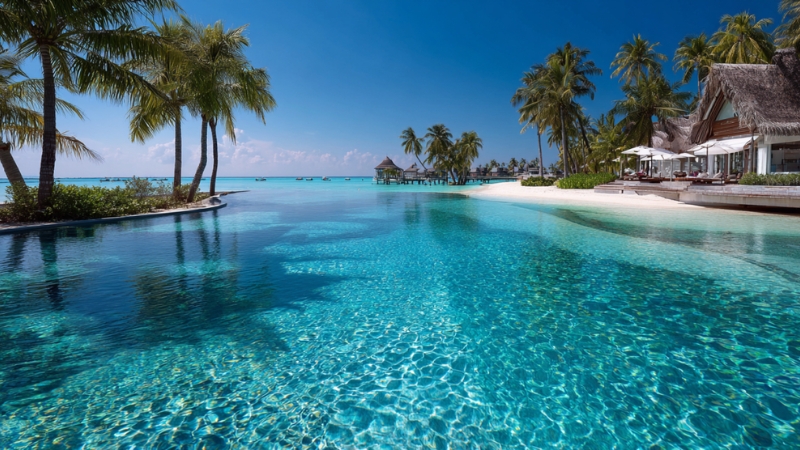

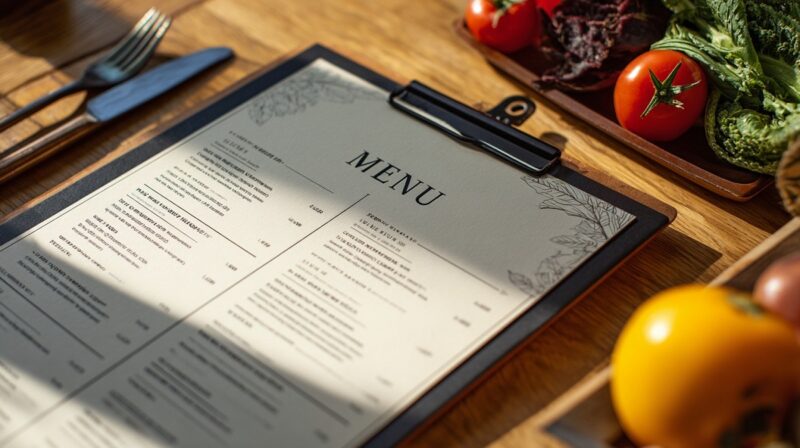


Ambience shapes guest perception before any dish arrives at the table.
Lighting, sound, spacing, and visual cues work together to set emotional expectations and influence comfort levels.
Research shows ambience directly affects how long diners stay and how much they spend, making it a driver of repeat visits and overall revenue.
Post-pandemic dining preferences place even greater value on calm, spacious, and flexible environments that support relaxation and social connection.
1. Prioritize Welcoming First Impressions
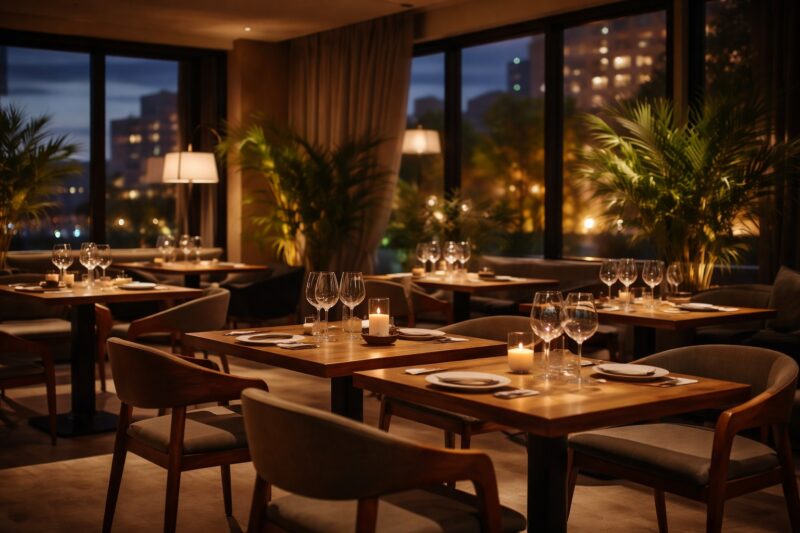
People decide how they feel about a restaurant almost immediately, often before speaking to anyone. Entry areas communicate standards fast.
Light quality, cleanliness, and visual order signal competence and care without explanation.
A calm, intentional entrance lowers tension and prepares guests to enjoy the experience instead of scanning for problems.
Brand presence should feel confident but restrained. One clear visual anchor often works better than layered decoration.
A single piece of furniture, a material choice, or a focused artwork can say more than multiple competing elements. Too many signals at the door create noise instead of clarity.
Photos shape expectations long before arrival.
Guests often encounter a restaurant through search results or social media, and entrances that read clearly on camera reduce the gap between expectation and reality. Seasonal changes help the space feel active and maintained rather than static.
A light, natural scent near the door can ease the transition between street noise and indoor pace, especially in busy areas.
2. Use Lake Fountains to Shape Atmosphere
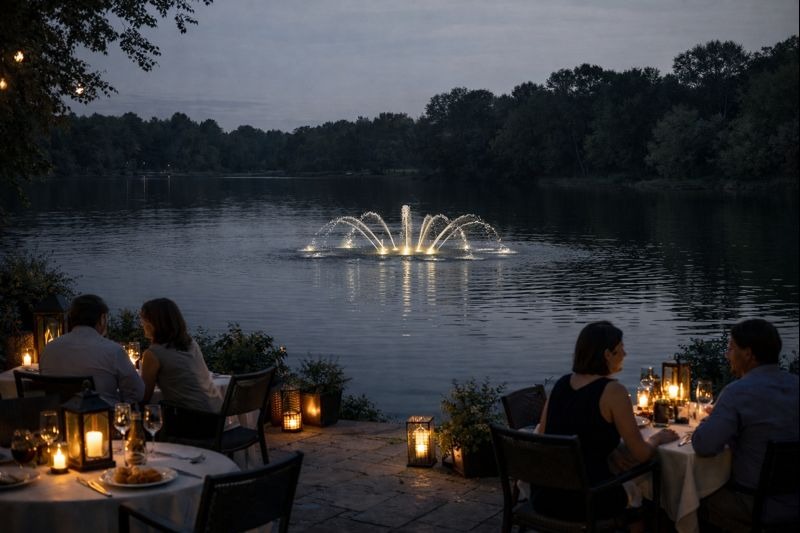
Lake fountains influence how outdoor dining areas feel long before guests sit down.
Moving water adds life to otherwise still surfaces and introduces a steady, natural sound that softens nearby noise.
Areas near lakes often feel calmer when fountains are present, encouraging guests to slow their pace and stay longer.
Fountains for lakes also improve air circulation and surface movement, which helps outdoor spaces feel fresher during warmer periods.
Light spray patterns reduce stagnation and create visual rhythm without drawing focus away from seating or views. Reflection created by water movement adds depth, especially in daylight.
Scale and spray height should match the size of the lake and surrounding dining areas.
Lower-profile fountains suit intimate settings, while larger lakes can support taller patterns without overwhelming the scene.
Integrated lighting extends usability into the evening and adds subtle reflection without dominating the environment.
Placement affects comfort as much as design. Lake fountains positioned away from primary seating avoid splash and excess sound while still contributing to the atmosphere.
3. Design with Comfortable Seating and Layout
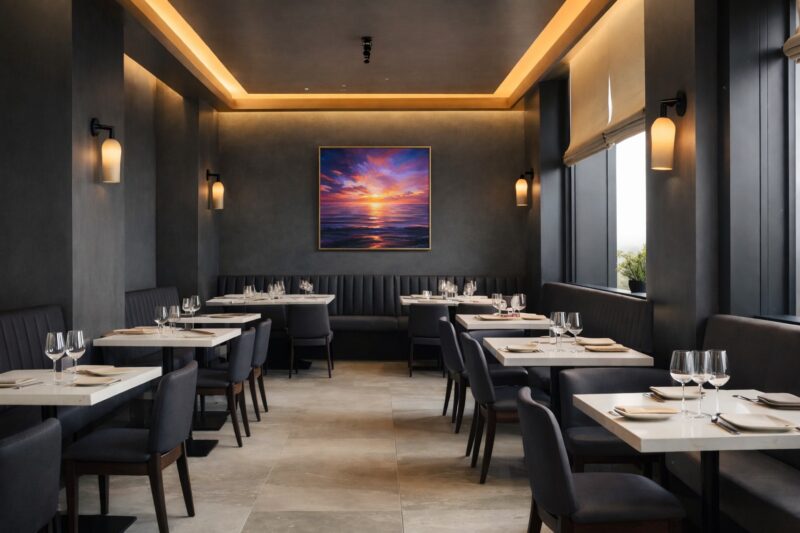
Physical comfort determines pacing. Guests rarely articulate it, but they feel it quickly. Hard chairs shorten visits even when food and service perform well.
Soft seating invites people to relax into the space, settle their posture, and stay engaged in conversation. Booths and banquettes help guests feel grounded instead of exposed.
Casual dining suffers most when seating proportions are ignored. Poor depth or thin cushions create fatigue long before a meal ends.
Treating dimensions as functional decisions rather than aesthetic ones improves comfort more than decorative upgrades.
Banquettes also help solve spatial constraints by using walls efficiently while creating privacy without physical barriers.
Spacing influences stress more than room size. Tight layouts increase noise, interrupt service flow, and make guests overly aware of nearby tables.
Several practical measurements consistently support comfort and movement:
- Seat depth close to 30 inches
- Cushion thickness around 2 inches using supportive foam
- Clear spacing of four to six feet between tables
4. Master Lighting for Mood
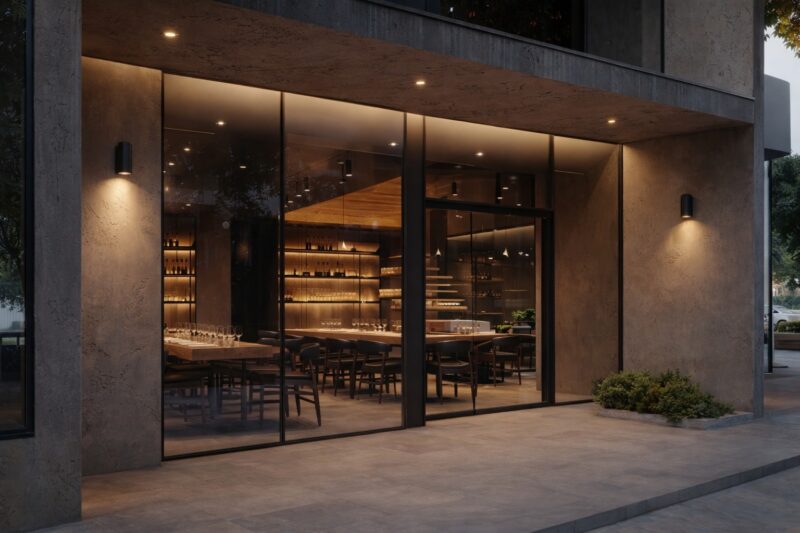
Lighting controls behavior quietly. Warm light slows people down and encourages lingering, especially during evening service.
Brighter light supports alertness earlier in the day, helping guests read menus and stay energized.
Abrupt shifts feel artificial, so gradual transitions matter more than exact brightness levels.
Dimmable LEDs allow changes that feel organic instead of programmed. Layering matters more than fixture quantity.
Overhead lighting establishes general visibility, wall lighting adds warmth and depth, and table-level light keeps attention on faces and food rather than the room itself.
Smart lighting systems reduce inconsistency across service periods and remove guesswork for staff.
Installation typically falls between two thousand and five thousand dollars, depending on size and control complexity, but consistency often pays off in guest comfort and operational ease.
5. Curate the Sound Environment
Noise ends meals faster than decor mistakes. When sound reflects and overlaps, conversations turn into effort.
Guests lean forward, raise their voices, and lose comfort without realizing why. Controlled acoustics allow energy without chaos.
Soft surfaces do much of the work without visual disruption. Upholstered seating, curtains, and acoustic panels absorb excess sound while remaining subtle.
Music should support atmosphere rather than announce itself. Volume and style should shift naturally with crowd composition and time of day.
Clear sound targets help teams adjust without relying on instinct alone:
- Casual environments perform well around 70 to 75 decibels
- Fine dining remains comfortable closer to 55 to 60 decibels
6. Harmonize Interior Design and Color
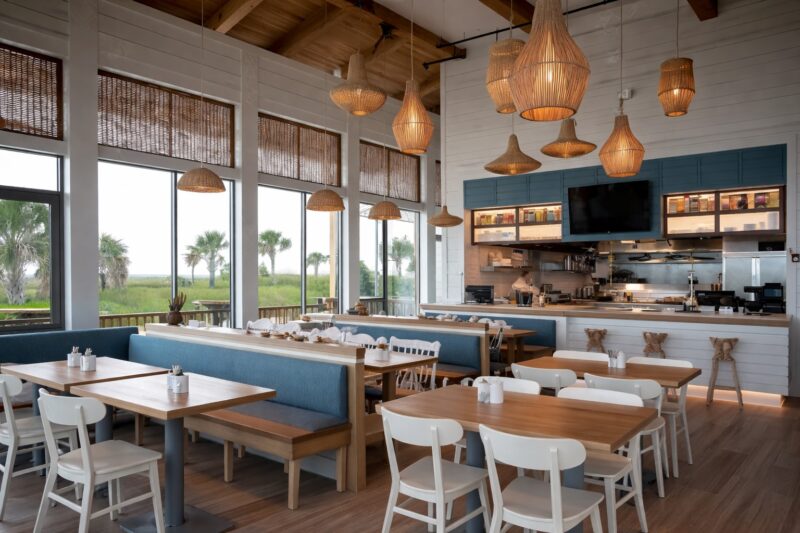
Visual order reduces cognitive load. Guests relax faster when a space feels coherent, even if they cannot explain why.
Color affects appetite and pacing in predictable ways. Warm tones encourage eating and conversation, while cooler tones slow interaction and shift focus.
Materials should support the concept rather than decorate it. Wood and textured finishes suit relaxed environments where comfort matters most.
Glass and metal communicate precision and modernity. Too many competing styles create visual fatigue and distract attention away from food and service.
Restraint allows the room to breathe.
7. Connect with Nature Using Outdoor and Natural Elements
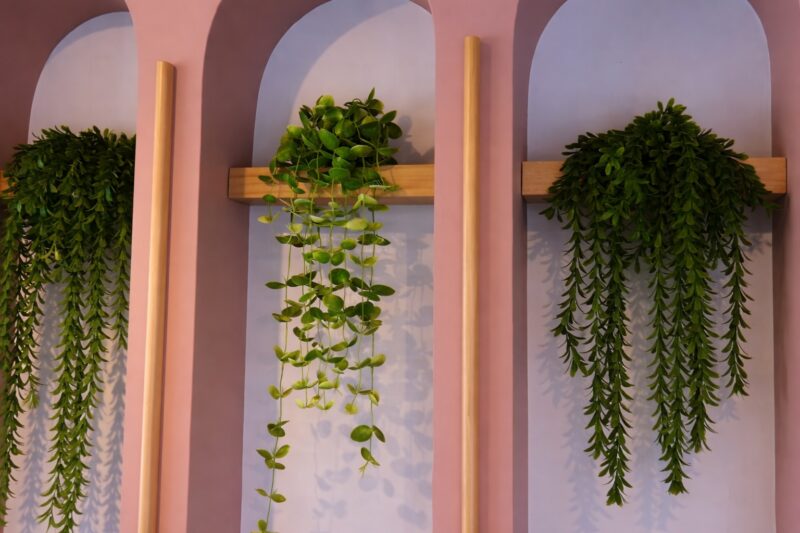
Natural elements lower stress almost immediately.
Plants soften hard lines, reduce visual tension, and make rooms feel lived in rather than staged.
Placement matters more than quantity. Crowded greenery overwhelms sightlines and defeats the purpose.
Outdoor seating works only when comfort matches indoor standards.
Clean surfaces, soft lighting, and temperature control determine usability far more than square footage.
Indoors, natural textures such as wood or stone echo outdoor calm even without direct views.
Plant placement usually follows simple spacing logic:
- One plant per 100 to 150 square feet
- Low-maintenance varieties like pothos or snake plants
8. Train Staff for Atmosphere Awareness

Design creates context, but people carry atmosphere forward. Service style influences pacing and emotional memory more than scripted steps.
Attentiveness works best when it feels observant rather than constant.
Presence builds comfort. Over-intervention breaks it.
Energy should match the room. Calm confidence supports fine dining, while casual spaces benefit warmth and responsiveness.
Uniforms contribute visually and should align with the environment while remaining clean, functional, and consistent.
Make Atmosphere Your Signature Ingredient
Ambience functions as a strategic tool rather than decoration. Regular audits of lighting, scent, noise levels, and seating flow help maintain comfort standards.
Seasonal updates using decor and menu design keep the environment fresh and relevant.
Successful ambience often goes unnoticed because it feels natural and balanced, supporting harmony, hospitality, and human connection throughout the dining experience.
